


The Power Of Your Plate: A Simple Guide Towards Healthy Eating

In today’s fast-paced lifestyle, maintaining a balanced and nutritious diet is essential for overall health and well-being. Balanced nutrition is not about strict diets or avoiding specific foods, but about providing the body with the right variety of nutrients in appropriate proportions. A healthy diet should include a combination of carbohydrates, proteins, healthy fats, vitamins, minerals, fibre, and adequate fluids. Choosing a variety of nutrient-rich foods can support energy levels, immunity, metabolism, and day-to-day performance. Simple, mindful food choices can make healthy eating practical and sustainable, even with busy work and personal schedules. This blog explores the fundamentals of balanced nutrition and practical ways to build healthier eating habits every day.
What is Nutrition?
Nutrition is the biological process of taking in and using food and nutrients for growth, health, and survival.
What is Balanced Diet?
A balanced diet provides the correct proportions of essential nutrients and energy needed for the body to function properly.
A balanced diet includes different food groups and provides the body with the nutrients required for normal functioning. The exact amount of each nutrient can vary according to age, sex, activity level and individual health needs, but dietary variety remains an important principle.
Component Breakdown
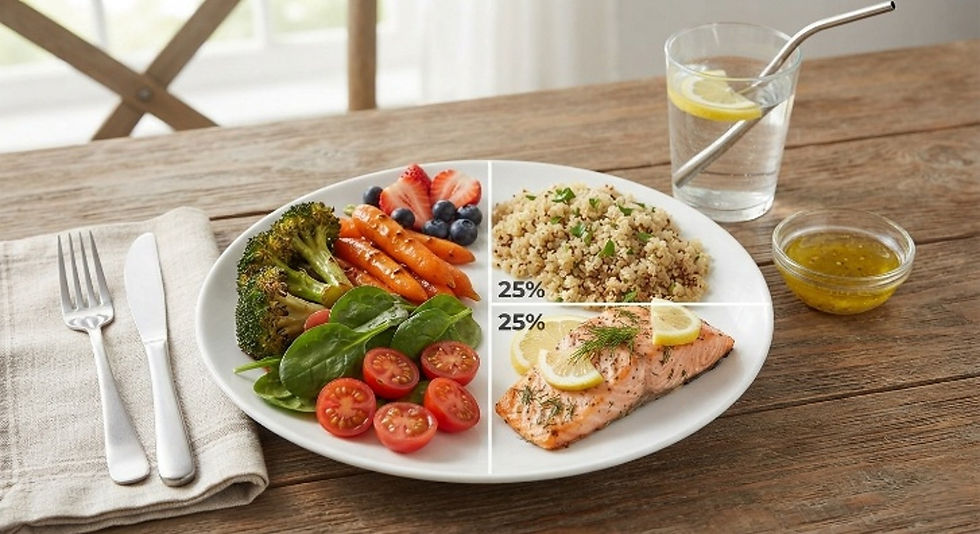
Vegetables & Fruits: Fill half your plate. They provide vital fibre, vitamins, and antioxidants. Aim for a variety of colours.
Whole Grains: Make up about a quarter of your plate. Choose oats, brown rice, quinoa, and whole wheat for long-lasting energy and digestion.
Lean Proteins: Make up about a quarter of your plate. Choose poultry, fish, beans, lentils, tofu, eggs, and lean meats for muscle repair.
Healthy Fats: Include small amounts of unsaturated fats like avocados, nuts, seeds, and olive oil to support brain and cell health.
Hydration: Drink plenty of water throughout the day. Limit sugary beverages and juices.
Daily Plate Guide
1. Carbohydrates
Carbohydrates are the body's primary source of energy. They fuel your muscles, brain, and organs, and are particularly important during physical activity.
SOURCES: Rice, wheat, oats, millets, potatoes and other grains and starchy foods provide carbohydrates, which are an important source of energy. Choosing whole grains and other fibre-rich carbohydrate sources can provide additional nutritional benefits.
2. Proteins
Proteins are essential for growth, muscle repair, and immune function. They help in the production of enzymes, hormones, and other vital body chemicals.
SOURCES: Pulses, dals, beans, peas, soy, dairy products, eggs, fish, poultry and meat provide protein. Protein is required for growth, tissue repair and maintenance of muscles and other body tissues.
3. Fats
Fats are crucial for maintaining healthy cell membranes, producing hormones, and absorbing fat-soluble vitamins (A, D, E, and K). While fats are often viewed negatively, healthy fats are essential for overall health:
Unsaturated fats: Found in avocados, olive oil, nuts, seeds, and fatty fish (such as salmon and mackerel), these fats support heart health and help reduce inflammation.
Saturated fats: Present in animal products (like butter and cheese) and some plant oils (like coconut oil), these should be consumed in moderation.
Trans fats: These artificial fats are found in processed and fried foods and should be avoided as they contribute to poor heart health.
4. Fibre
Fibre is an essential part of a healthy diet, particularly for digestive health. It helps regulate bowel movements, prevents constipation, and can reduce the risk of chronic diseases like heart disease and type 2 diabetes.
SOURCES: Whole grains, pulses, fruits, vegetables, nuts and seeds are useful sources of dietary fibre. Fibre supports digestive health and can also help with blood glucose and cholesterol management.
No single food needs to provide every nutrient. A varied diet that includes different food groups is more likely to provide a broad range of essential nutrients.
5. Hydration:
Water is often overlooked but is a critical component of a balanced diet.
It makes up about 60% of your body and is involved in nearly every bodily function, including temperature regulation, digestion, and nutrient transport.
Staying well-hydrated is essential for maintaining energy, supporting brain function, and keeping your skin healthy.
Aim to drink at least 8 glasses of water a day, or more if you're physically active.
How Much Water Do You Need Daily?
A simple way to estimate your daily fluid requirement is:
Body weight (kg) × 30–35 mL = approximate fluid requirement/day
Example:
52 kg × 35 mL = 1,820 mL (~1.8 L/day)
Remember: This is only a general estimate. Your actual fluid needs may be higher or lower depending on physical activity, sweating, weather, diet, pregnancy/lactation and health conditions.
Stay hydrated by drinking fluids regularly and paying attention to thirst and hydration status.
This estimate refers to a general starting point and is not an individualized medical prescription.

Benefits of balanced diet
Improves your sleeping quality
Better skin health
Boost your brain health
Strong immunity system
Improves your gut health
Lowers risk of inflammations and stress
Why Is Reading Food Label Important
Reading food labels is essential to understand what is inside your food and make choices that protect your health.
Key Reasons to Read Food Labels
Know the Nutrients: Labels show calories, proteins, fats, carbohydrates, vitamins, and minerals so you can track your daily intake. You can learn more about these details from resources like the
Spot Hidden Ingredients: Manufacturers often hide extra sugars, sodium (salt), and unhealthy fats under different names. Reading the ingredient list helps you avoid these surprises.
Prevent Allergic Reactions: Labels highlight common allergens like nuts, dairy, gluten, and soy, which keeps people with severe allergies safe.
Manage Weight and Health: Checking portion sizes and calorie counts helps you control your weight and manage conditions like high blood pressure or diabetes.
Check Food Safety: Expiration dates and storage instructions tell you if the food is safe to eat or likely to cause illness.
How Much Salt, Sugar and Processed Food Should You Have?
Salt, sugar and processed foods can form part of a diet, but excessive intake can affect overall dietary quality. Paying attention to how often these foods are consumed and how much they contribute to the daily diet can support healthier eating.
The World Health Organization recommends limiting salt intake to less than 5 grams per day for adults, which is equivalent to less than about one teaspoon of salt. This includes salt from all sources, not just the amount added during cooking or at the table.
For free sugars, the WHO recommends limiting intake to less than 10% of total daily energy intake, with further benefits when intake is reduced to below 5%. Free sugars include sugars added to foods and drinks as well as those naturally present in honey, syrups and fruit juices.
Processed foods vary considerably. Some, such as minimally processed frozen or canned foods, can still be nutritious. Highly processed foods that are high in salt, added sugar or unhealthy fats are better consumed less frequently.

Nutrition for a Busy Lifestyle
1. Plan Your Meals Ahead
One of the most effective ways to ensure healthy eating is to plan your meals in advance. Take some time each week to decide what you’ll eat for breakfast, lunch, dinner, and snacks. This not only helps you make healthier choices but also saves time during the week when you’re juggling multiple responsibilities.
2. Prep Ingredients in Batches
Batch cooking is a gamechanger for busy individuals. Dedicate a couple of hours during the weekend to prepare ingredients for the week. Chop vegetables, cook grains, and portion out proteins so that they’re ready to go when you need them. Having these ingredients prepped and ready will make it much easier to assemble healthy meals, even on your busiest days.
3. Embrace Simple and Nutritious Recipes
You don’t need to spend hours in the kitchen to eat well. Focus on simple, nutritious recipes that require minimal ingredients and cooking time. For instance, stir-fries, salads, and sheet-pan meals are quick to prepare and can be packed with healthy vegetables and lean proteins.
4. Incorporate Healthy Snacks
Snacking is often where many people’s healthy eating habits falter. Instead of reaching for chips or candy, stock up on healthy snacks like nuts, yogurt, fruit, or whole-grain crackers. Keeping these options readily available can help you avoid unhealthy temptations during the day.
5. Utilize Time-Saving Kitchen Gadgets
Investing in kitchen gadgets like a slow cooker, instant pot, or food processor can significantly reduce your meal prep time. These tools allow you to cook healthy meals with minimal effort, freeing up more time for other important tasks.
6. Stay Hydrated
Don’t forget the importance of hydration in your healthy eating plan. Drinking plenty of water throughout the day helps keep your energy levels up and can prevent overeating. Carry a reusable water bottle with you as a reminder to drink more water.
7. Seek Professional Guidance
If you’re struggling to balance healthy eating with your busy lifestyle, seeking professional guidance can make a world of difference. A qualified dietitian can provide personalized advice, meal plans, and tips to help you achieve your health goals without sacrificing convenience.

Building Sustainable Healthy Eating Habits
Building sustainable healthy eating habits requires making small, gradual changes and focusing on whole, nutrient-dense foods rather than strict restriction.
Practical Steps for Long-Term Success
Start Small: Pick one incremental change at a time, such as drinking an extra glass of water or adding one vegetable to dinner, instead of a total diet overhaul.
Prioritize Plants: Increase your intake of vegetables, fruits, whole grains, beans, and lentils to boost fibre, improve satiety, and lower environmental impact.
Manage Hunger Mindfully: Listen to your body's natural hunger cues and minimize distracted eating by making mealtime a separate, focused event.
Reframe Your Language: Replace restrictive phrasing like "I can't eat that" with goal-oriented choices to reduce guilt and foster a positive relationship with food.
Choose Local and Seasonal: Support local market for fresh, resource-efficient produce that benefits both your health and the planet.
Physical Activity and Stress Management
Regular physical activity acts as a powerful, natural stress manager by lowering stress hormones like cortisol and releasing feel-good endorphins.
Aerobic Exercise: Walking, jogging, swimming, or cycling for 150 minutes weekly.
Strength Training: Lifting weights or using resistance bands at least twice a week.
Mindful Movement: Yoga, stretching, or tai chi to release physical tension and connect breath with movement.
How Exercise Relieves Stress
Hormone Balance: Movement decreases adrenaline and cortisol while boosting brain chemicals like endorphins, serotonin, and dopamine.
Mental Break: Exercise acts as a moving meditation, giving your brain a healthy distraction from daily worries.
Better Sleep: Physical activity helps regulate your sleep cycle, which makes it easier to rest and handle daily pressure.
Tension Release: Stretching and aerobic movement relax tight muscles caused by emotional strain.

SmartQ: Supporting Healthy Eating at the Workplace
A healthy eating habit becomes easier to sustain when healthier choices are available where people eat every day. SmartQ supports this through its corporate cafeteria ecosystem by integrating nutrition into everyday food-service experiences.
From menu planning and nutritional profiling to healthy-counter initiatives and nutrition awareness activities, SmartQ aims to make balanced choices more accessible and practical for employees.
Cafeteria initiatives can encourage employees to include a variety of food groups, understand balanced portions and make informed choices without compromising taste or convenience. Through nutrition education, interactive activities and simple food awareness messages, SmartQ helps bridge the gap between nutrition knowledge and everyday food choices. By creating an environment focused on access, awareness and informed choices, SmartQ strives to make healthy eating a practical part of the workplace experience.



Comments