


How Technology is Transforming University Food Experiences
- noopuragashe2
- 5 hours ago
- 4 min read
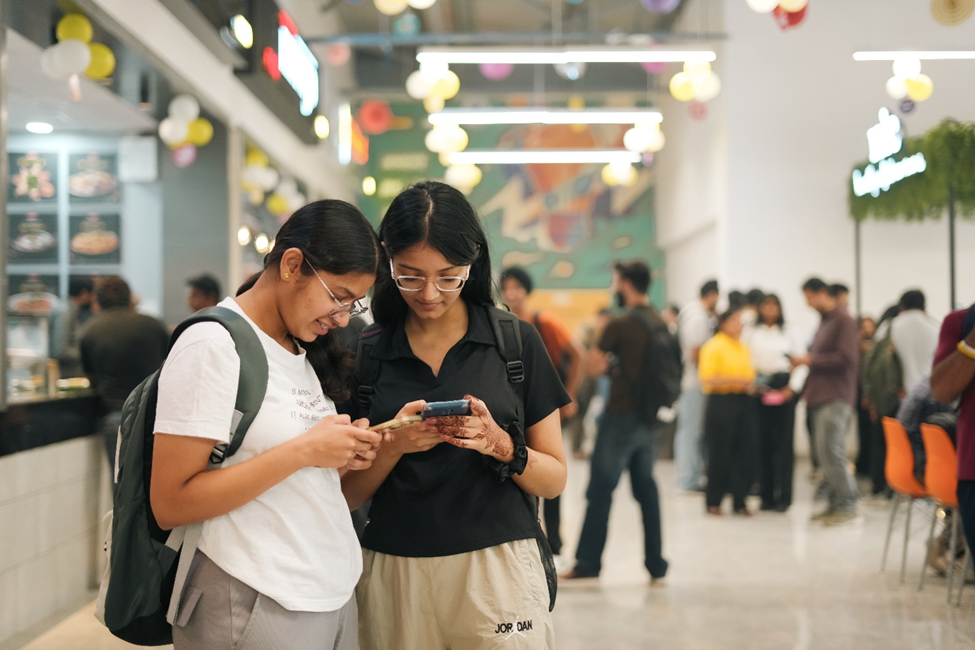
University food is no longer just about serving meals on time. Today, students expect convenience, speed, and digital-first experiences, while administrators need visibility and efficiency. That is where digital cafeterias, modern ordering systems, and smarter campus food service models can make a real difference. From improving canteen food access to streamlining operations with cafeteria POS software, technology is helping universities create better dining experiences for everyone involved.
Campus food spaces are central to student life—supporting connection, community, and everyday wellbeing. As universities modernize classrooms, hostels, and learning systems, it makes sense to bring the same progress to dining environments too.
As expectations evolve, the question is no longer whether university food services should modernize—but how that change benefits students, food partners, and university management in practical terms.

Why University Food Services Need to Evolve
Food spaces on campus are more than transactional—they’re where students connect, recharge, and build community. Yet, many universities still rely on fragmented systems: manual ordering, limited visibility into demand, and disconnected vendor operations.
Traditional systems often struggle with:
Long queues during peak meal hours
Limited visibility into demand patterns
Manual billing and reconciliation
Communication gaps around menus or events
Difficulty coordinating multiple vendors
University campuses serve large populations with changing schedules, varied budgets, and different food preferences. When these issues persist, the dining experience feels stressful rather than supportive. Technology helps remove friction and creates a smoother experience for students, food partners, and administrators alike.
How Technology Benefits Students in University Food Spaces

According to a 2025 study on food delivery app adoption among college students in India, convenience and time-saving were among the strongest motivators for digital food ordering—reflecting the pressures of busy academic schedules and campus life. Technology helps meet these expectations by making ordering easier, pickups faster, and campus dining communication more seamless for students.
Easy, Flexible Online Ordering: With a digital cafeteria platform, students can browse menus, compare options, place orders, and pay online from their hostel, library, or classroom break. Instead of rushing to the cafeteria and waiting in line, they can order when convenient and collect when ready. This saves time and reduces uncertainty.
Faster, Simpler Pickup Experience: With cafeteria POS software and kitchen order management in place, food partners can prepare orders in sequence, update their readiness in real time, and send students a notification when their meal is ready for collection. The result is fewer crowded counters, shorter wait times, and a calmer, more organised dining experience.
One Place for Campus Dining Updates: Beyond ordering, some campus dining platforms also help universities engage students through one central channel. For example, with integrated solutions like SmartQ, students receive updates about food events, promotions, and new launches directly through the ordering interface—creating a more connected student experience.
How Technology Benefits University Management

University food operations involve far more than meal service. Management teams must balance student satisfaction, vendor coordination, cost control, hygiene standards, and operational efficiency across multiple outlets. Technology helps simplify this complexity by bringing visibility, control, and consistency into one connected system.
Data and Analytics: A well-implemented digital cafeteria platform gives university management access to a transparent dashboard showing consumption patterns, peak-hour trends, vendor performance, and more. Access to real-time data supports better planning, reduced waste, and improved student satisfaction.
One Point of Contact: Rather than coordinating separately with hardware vendors, software providers, food partners, and support teams, working with an integrated partner can simplify management by managing everything seamlessly – from POS and kiosk deployment, payment systems and technology customization to ongoing support. If the campus has multiple messes, cafés, snack counters, or franchise brands, a unified platform helps standardize operations while still allowing each outlet to function independently.
Stronger Governance and Transparency: Digital systems create clearer records for billing, vendor sales, transactions, and service activity. This gives management greater oversight and reduces dependence on manual reconciliation. Partners like SmartQ also have dedicated technology solutions to ensure compliance with stringent hygiene and food safety standards.
How Technology Benefits Food Partners

For food partners operating on campus, speed and consistency matter just as much as food quality. Peak-hour rushes, changing demand patterns, and manual processes can create unnecessary pressure. Technology helps vendors run smoother operations, serve more students efficiently, and make better day-to-day decisions.
Simpler Order Management: For food partners, manual order handling can lead to missed orders, delays, and confusion. A digital system can route orders clearly, display queue loads, and help teams mark availability or completion in real time. This reduces errors, streamlines the kitchen workflow, and makes service smoother for everyone.
End-to-end operational support: Technology partners offer more than POS terminals and self-ordering kiosks for university food partners. They can support production planning, real-time stock availability, waste reduction efforts, pickup coordination, student feedback and performance reporting. This helps vendors focus on food quality and service rather than administrative friction.
Better Demand Forecasting: Order trends help vendors understand what sells most, at what time, and on which days—making procurement and prep planning easier. Data-backed production planning also significantly reduces wastage. Ratings, repeat order patterns, and sales trends can help vendors improve menu mix and service quality over time.
Technology can transform university food services into something more efficient, engaging, and future-ready. Students gain convenience, vendors gain control, and management gains visibility.
For universities exploring better food partners, smarter systems, branded counters, kiosk solutions, or end-to-end campus dining support, working with an experienced integrated partner can remove complexity and accelerate progress.
SmartQ is India's leading F&B and technology solutions provider for universities — managing everything from curated multi-brand food courts and mess services with the highest food safety standards, to end-to-end digital cafeteria technology, including POS systems, self-ordering kiosks, kitchen order management, and student-facing apps. With experience across institutions such as IIM Bangalore, Thapar Institute, Lovely Professional University, and O.P. Jindal Global University, SmartQ combines proven expertise with a genuine commitment to making campus dining work better for students, food partners, and university management alike.
If your university is looking to bring better technology and better food experiences to campus, get in touch with the SmartQ team.


Comments